Jadeite does not change; the viewing condition does
The same object can look brighter, darker, warmer, cooler, more transparent or more mottled as illumination changes. Light source, direction, size and intensity interact with the jadeite’s color, thickness, texture, polish and setting. The resulting appearance is real for that moment, but it is not a fixed property detached from the setup.
GIA specifically notes differences under fluorescent and incandescent light when discussing jadeite color. A responsible comparison therefore names the light rather than claiming that one photograph shows the “true” color.
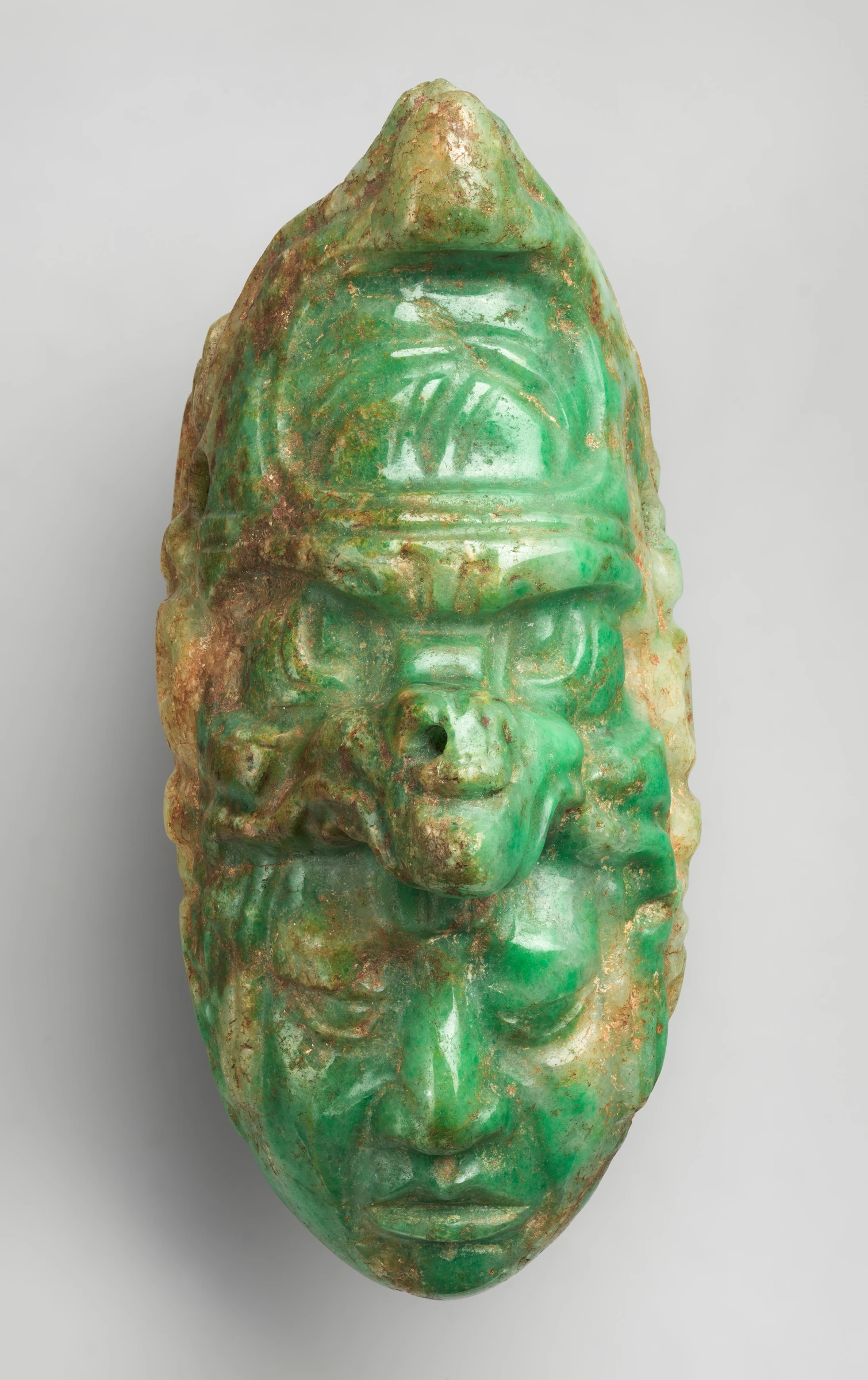
Diffuse daylight: useful, not absolute
Soft daylight near a window can reveal broad color distribution and surface condition without the hard glare of a small lamp. Yet daylight varies by time, cloud cover, window glass and reflected walls. “Natural light” is incomplete metadata.
Place the object near, not in, direct sun. Use a neutral gray background, turn off competing colored lamps and note the time and direction of the window. This creates a repeatable observation rather than a romantic but untraceable claim.
Warm and cool lamps shift relationships
Incandescent or warm LED sources emphasize warm components; cool fluorescent or LED sources organize contrast differently. Human vision adapts, while cameras apply their own white balance. A green area may appear yellower under one lamp and bluer under another without any material change.
Compare the object under two known sources and let the eye adapt between them. Do not hold one piece under warm display light while another sits in cool room light. For the descriptive vocabulary, use the jadeite color guide.
Reflected light shows the ordinary face
Most jewelry is viewed by light reflected from its surface and near-surface structure. Diffuse reflected light is useful for color distribution, polish, scratches and overall form. A straight window edge or soft rectangular lamp can also test whether reflections travel without distortion.
GIA associates fine jadeite polish with sharp, undistorted reflections and no visible pitting or orange-peel texture. Brightness alone is not enough; a small intense lamp can create a brilliant spot on an uneven surface. See jadeite polishing.
Transmitted light answers a narrower question
Light placed behind the object can reveal where it passes more readily, helping compare thickness, translucency and some internal variation. It should not be used as the sole presentation because thin edges and openings glow more strongly than thick centers. A bangle, cabochon and carving create different path lengths.
Keep the source broad and moderate, avoid heating the object and return to reflected light afterward. “Glows under a flashlight” is not an authentication test. The material distinction belongs in transparency and texture.
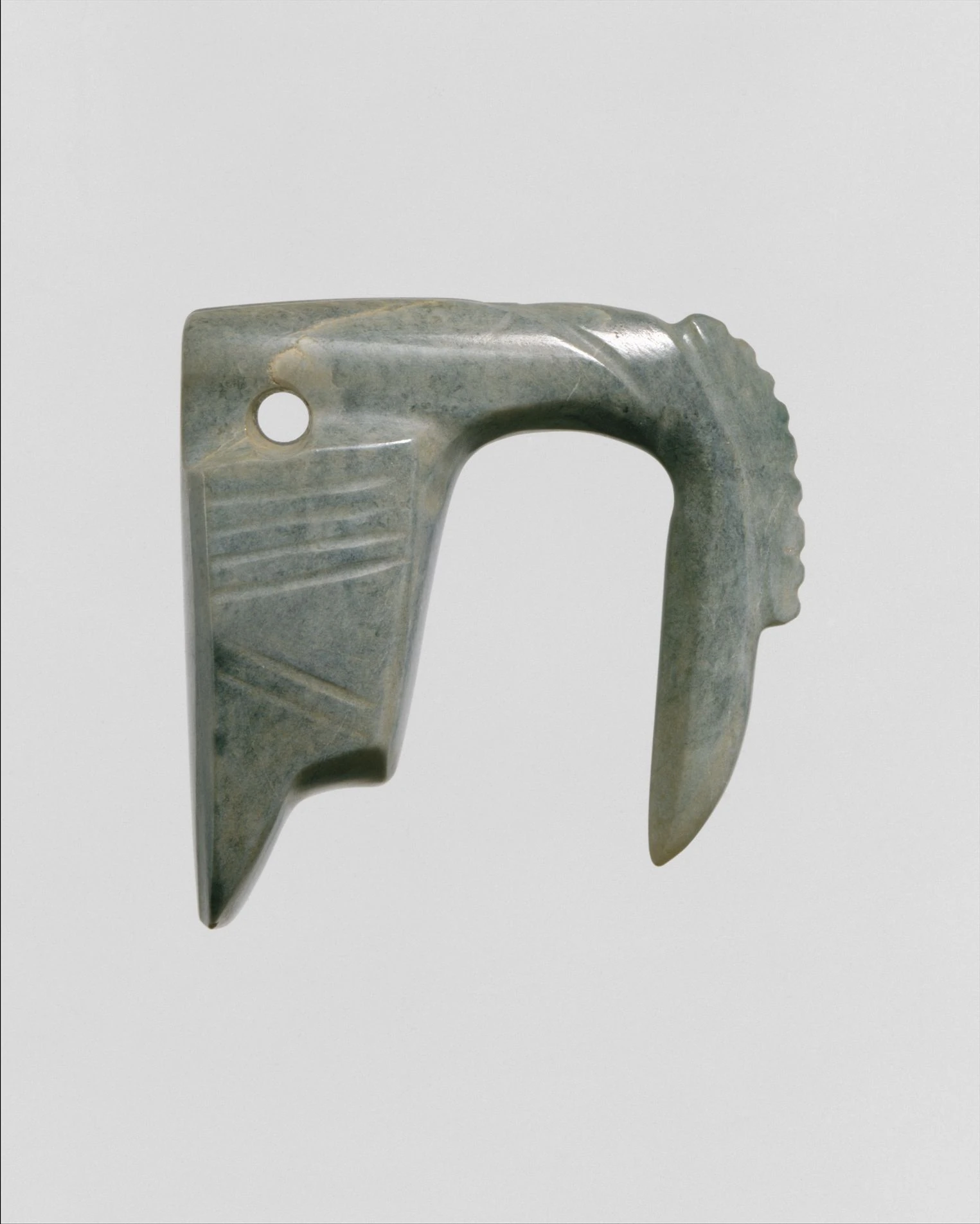
Directional light reveals texture—and exaggerates it
Grazing light travels across the surface at a low angle, making scratches, pits and relief edges easier to see. It can be excellent for condition inspection, yet harsh shadows may exaggerate minor texture. Record that the view is diagnostic rather than representative of normal wear.
Move the light as well as the object. A mark that remains fixed on the surface differs from a reflection that moves with the lamp. Clean dust first, because fibers become dramatic under raking illumination.
Settings and backgrounds join the picture
Yellow metal, white metal, an open back or a closed back can alter the visual field around jadeite. A colored lining or phone screen can introduce reflected color. These effects do not change gem identity, but they can change the face-up impression significantly.
Ask for a neutral-background view of the unmounted stone when available, plus front, side and back views of the finished jewelry. Setting structure is discussed in jadeite jewelry settings.
A four-view lighting record
| View | Purpose | Main caution |
|---|---|---|
| Diffuse reflected | Everyday color and form | Name the source |
| Straight reflection | Polish and curvature | Brightness is not smoothness |
| Moderate transmitted | Thickness and translucency variation | Edges glow more readily |
| Grazing | Surface condition and relief | Shadows exaggerate texture |
Keep exposure and white balance stable when photographing the sequence. A useful record discloses its conditions instead of presenting one dramatic frame as an objective verdict.
Research basis
- Jadeite Quality Factors — GIA
- Jade Description — GIA
- Gemstone Durability: Design to Display — Gems & Gemology, GIA