A setting is a system of contact
Metal does more than frame jadeite. It supports the stone, controls where pressure is applied, protects or exposes edges and determines what a future repairer can reach. Decoration comes after those structural decisions. A mount that looks delicate in a front photograph may be substantial beneath the stone; a heavy-looking rim may contact only a narrow seat. Inspection must follow the construction, not the silhouette alone.
GIA’s durability guidance places setting choice within a larger risk assessment: identify the gem, examine fractures and inclusions—especially near the girdle—and consider how the piece will be worn. Jadeite is known for exceptional toughness, but an individual object may still contain fractures, thin edges or treatment-related care considerations. Toughness is not permission for careless pressure.
Begin with the individual stone
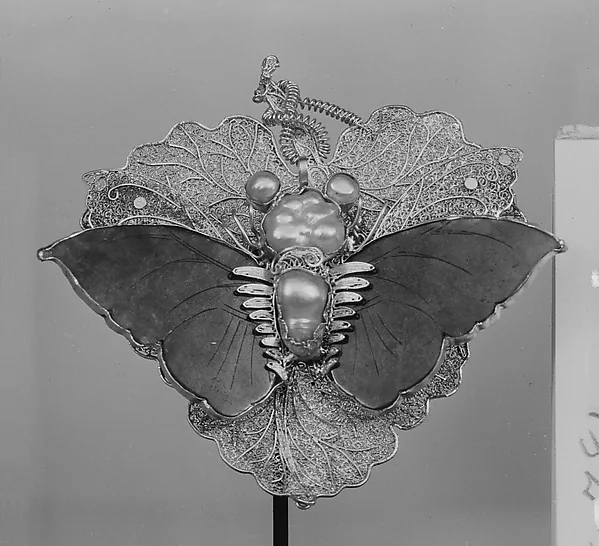
A setter needs dimensions, profile and a clear view of the edge. Cabochons may be symmetrical or intentionally individual; carved pieces can have undercuts and uneven backs; beads introduce drilled openings rather than a girdle. Existing fractures near a contact point deserve particular attention. The mount should be designed for what is present, not for an assumed standardized stone.
This is where shaping and setting meet. A well-planned cabochon offers a coherent edge and predictable seat. A mount should support that seat without forcing the stone to compensate for inaccurate metalwork. If a stone rocks before tightening, added pressure is not a responsible substitute for correcting the fit.
Prongs: local grip and visible edge
Prongs hold a stone at discrete points. GIA describes a seat cut into the prong structure, followed by controlled movement of metal over the girdle or crown area. The method leaves much of the stone visible, which can make outline and side profile easy to inspect. It also concentrates setting pressure at the contact points.
Number, placement and thickness of prongs depend on shape, scale and mount design. They should meet the stone consistently and should not merely hover above it. Excessive pressure can damage even durable gems, while inadequate contact can permit movement. The focused guide to prong-set jadeite covers inspection and maintenance.
Bezels: a continuous visual and protective boundary
A bezel is a rim of metal shaped around the stone and worked over its edge. GIA describes it as an effective way to protect girdle and pavilion areas when executed with care. It can suit cabochons and unusual outlines because the rim can be made for a particular stone. The same rim changes appearance: it traces the outline, adds visual weight and may hide a narrow portion of the edge.
A bezel is not risk-free. The seat must fit before the metal is closed, and burnishing still applies pressure. Thick or hard metal can require more force; a closed back can limit inspection and cleaning access. Our bezel setting guide separates protection from the assumption that every enclosed stone is secure.
Open backs, closed backs and light
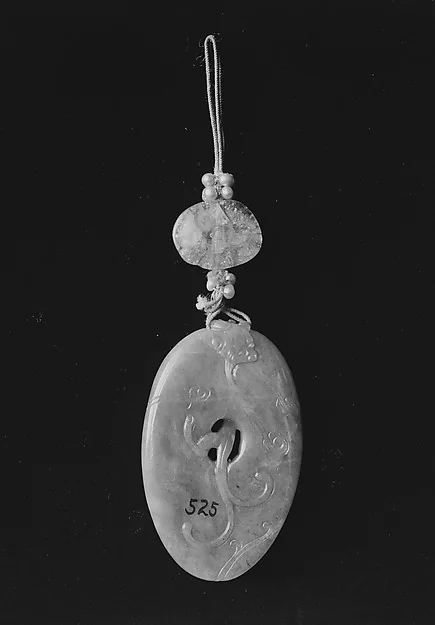
An open back leaves part of the reverse accessible and allows inspection of contact, dirt and condition. A closed back can provide a different visual field and may protect the reverse from direct contact, but it also hides evidence. Claims that one construction always “adds light” or always “deepens color” are too broad: metal color, opening size, stone thickness, surface finish and illumination all interact.
Photographs should disclose the back when possible. A face-up view alone cannot show whether the stone sits level, whether adhesive is present, or how much edge the metal covers. The setting may alter apparent color, but it does not change the underlying gemological identity. Lighting effects are explored separately in how lighting changes jadeite.
Wear, inspection and repair
Setting security changes with wear. Prongs can bend or abrade; a bezel can be dented; joints can weaken; accumulated residue can disguise a gap. Inspect for movement, changed alignment and lifted metal rather than waiting for a stone to rattle. Do not test security by pushing hard on the jadeite.
Repair introduces heat, tools, polishing compounds and localized force. GIA advises identifying a gem and considering enhancement and inclusions before potentially damaging procedures, and recommends removing stones before repair whenever possible. The setter’s skill remains decisive. A generic claim that jadeite is “tough” cannot replace inspection of this stone, this mount and this repair.
Research basis
- Gemstone Durability: Design to Display — Gems & Gemology, GIA
- A Guide to Ring Settings — GIA 4Cs
- Jadeite Quality Factors — GIA