A bezel is a fitted rim, not a metal wall
A bezel setting uses a rim of metal shaped around a stone and worked over its edge. GIA describes the method as an effective way to protect girdle and pavilion areas when it is fitted and closed with care. The continuous boundary suits many cabochons and individual outlines, but enclosure should not be confused with indiscriminate thickness.
The rim has three tasks: provide a seat, retain the stone and establish the visual edge. If its contour does not follow the stone, pressure gathers unevenly. If it is needlessly broad, it can hide color or make a balanced cabochon look cramped. Good protection begins with fit.
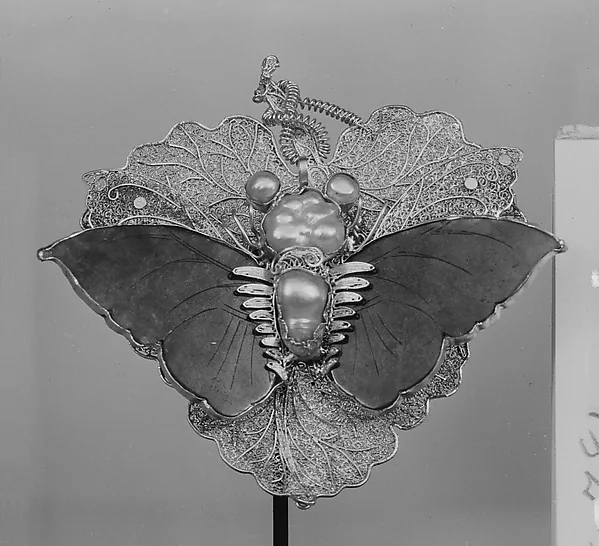
The seat must exist before the rim closes
A bezel is first shaped around the stone. The bearing surface should support the profile without rocking, and the rim should have enough metal to close predictably. GIA notes that cast bezels can be less pliable than fabricated rims, increasing the care required. Material behavior and setter skill matter alongside the drawing.
An individually shaped jadeite cabochon may call for a custom bezel rather than a calibrated finding. The stone should enter and leave the unfinished mount without force. Closing metal is the retention stage, not the cure for an inaccurate seat.
Protection has a boundary
A bezel covers the girdle area and can shield parts of the pavilion, reducing direct exposure at the edge. It cannot protect the entire face from impact, cancel an existing fracture or guarantee that the stone will survive every repair. GIA’s durability article treats protection as one factor within design, wear and individual condition.
Rim height should respond to the profile. Too little overlap may not retain the stone; excessive overlap can obscure the outline and demand unnecessary pressure during closing. Points, thin sections and visible fractures deserve a plan before metal is moved. A setter may decide that another construction is more appropriate.
Open back and closed back are construction choices
An open-backed bezel reveals part of the reverse, allows easier condition inspection and can simplify removal of residue. A closed back creates a continuous metal field behind the stone and may reduce direct contact with the reverse, but it also conceals the seating area. Neither construction proves quality.
Backing can change apparent color because reflected light and surrounding metal enter the view. That optical effect does not alter gem identity. Descriptions should disclose the construction rather than claim that a closed back inherently upgrades color. Ask for a reverse photograph and compare in neutral light.
The metal line controls proportion
A narrow bezel can make the eye follow the cabochon’s outline. A wider rim can become a deliberate frame. The appropriate width depends on scale, color, dome and the overall piece. The goal is not maximum invisibility; it is a coherent relationship in which metal supports the stone without pretending to be part of it.
Compare with prong setting, where contact is localized and more edge remains open. The overview of prong versus bezel separates visual weight, exposure and maintenance without declaring one universally superior.
Inspect the join, rim and stone together
Look for an even meeting between metal and stone. Gaps can hold residue and may signal poor fit; dents or lifted sections can change retention. A perfectly uniform rim is not required around every asymmetrical object, but variation should answer the contour rather than wander independently.
During repair, heat and polishing may affect metal and stone. GIA recommends gem identification, consideration of treatments and inclusions, and removal before repair whenever possible. Polishing removes metal, so repeated refinishing can thin a bezel as surely as it can thin a prong. See the broader setting guide for repair context.
Cleaning access and disclosure
A close rim can trap residue where metal meets stone. Use a soft brush without levering against the edge, and dry the junction carefully. Adhesive, filler or a deliberately sealed construction changes what cleaning is appropriate; if construction is uncertain, inspection comes before immersion.
A useful description names the metal, states whether the back is open or closed and shows the rim from more than one angle. It should not use “bezel set” as shorthand for undamaged, untreated or securely mounted. Those are separate questions with separate evidence.
Research basis
- Gemstone Durability: Design to Display — Gems & Gemology, GIA
- A Guide to Ring Settings — GIA 4Cs
- Jadeite Quality Factors — GIA