Transparency and texture answer different questions
Transparency asks how light enters and travels through jadeite. Texture describes the apparent fineness or coarseness of its interlocking aggregate. They interact strongly in appearance, but one should not be used as shorthand for the other. A fine texture can support a unified look; thickness or dark color can still limit transmitted light.
GIA lists transparency and texture among the principal jadeite quality factors. Evaluation becomes clearer when each is observed under a defined light and at a stated part of the object.
What transparency means in practice
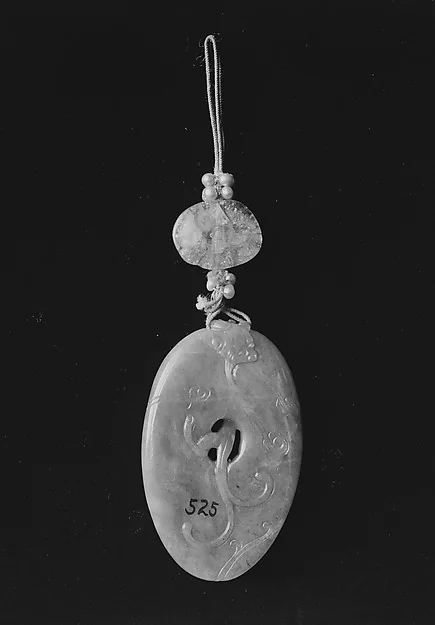
At one end, light is largely blocked; at the other, more light passes through. Many jadeite objects are translucent rather than optically transparent. The observation depends on path length: a thin edge, drill opening or carved recess can glow while the thicker center remains quiet.
Compare equivalent thicknesses under the same source. A cabochon edge should not be compared with another stone’s center, nor a thin carved leaf with a broad bangle wall. Record the position and direction of illumination.
Texture is the visible aggregate
Jadeite rock is an aggregate rather than a single crystal object in the everyday jewelry sense. Grain relationships can produce a fine, compact visual texture or a coarser, more granular one. Surface preparation, color zoning and lighting change how readily that structure is seen.
Diffuse reflected light shows the ordinary surface; moderate transmitted light can reveal internal variation; grazing light emphasizes relief and pits. A rough or poorly polished surface can imitate coarse texture, so inspect polish separately.
Thickness controls the light path
More material generally gives light a longer route. A thicker cabochon may concentrate color and reduce brightness; thinning may increase apparent translucency while weakening color concentration. These are interactions, not a rule that thinner is better.
Profile and dimensions belong in any comparison. The shaping implications are discussed in cabochon dome and thickness and bangle profile.
Color can conceal or reveal texture
Very dark tone can make internal texture difficult to see in reflected light. Pale or less saturated areas may reveal structure more readily. Mottled color can also be mistaken for coarse grain. Separate color boundaries from structural variation by rotating the object and changing light direction.
Do not conclude that a visually uniform field is necessarily fine texture; dye, coating, photography and shallow focus can suppress variation. Treatment remains a laboratory question.
Polish changes visibility, not internal structure
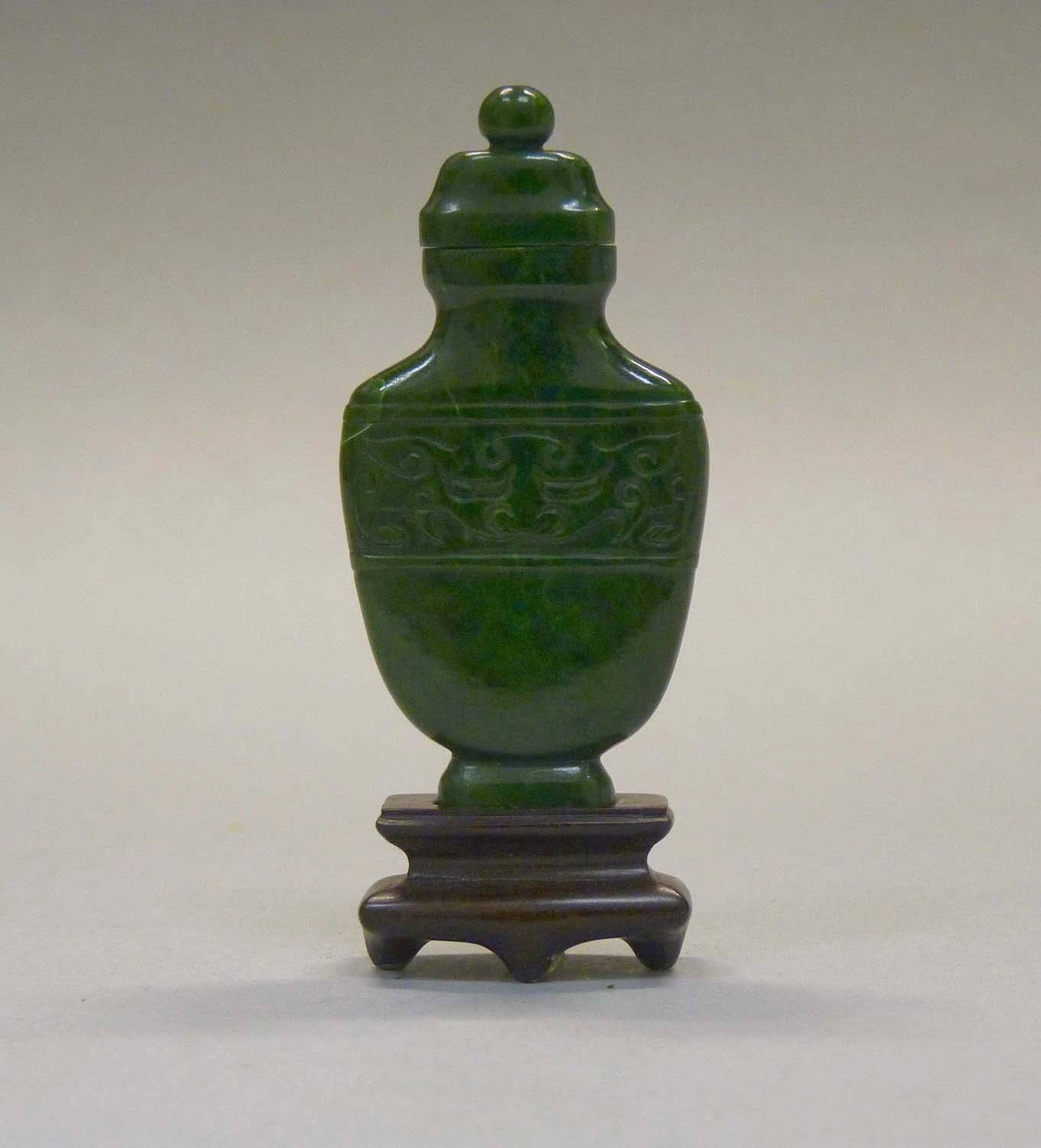
Fine polish reduces surface scatter and gives clearer reflections, allowing the underlying material to be seen more cleanly. It does not turn coarse aggregate into fine aggregate. GIA describes fine polish through smooth luster and sharp, undistorted reflections without visible pitting or orange peel.
Follow a reflected line first; then use transmitted light. If a cloudy impression disappears after cleaning or changes only with surface reflection, it may not represent internal texture. See the polishing guide.
A controlled comparison
| Variable | Hold constant | Observe |
|---|---|---|
| Transparency | Thickness, source, direction | How far light enters and exits |
| Texture | Surface cleanliness and polish | Fine or granular visual structure |
| Color | White balance and background | Hue, tone, saturation, distribution |
| Polish | Straight reflected source | Continuity and distortion |
Real objects rarely hold every variable constant, so state the limitations. The table is a method for clearer description, not a grading machine.
What photographs cannot settle
Exposure, backlighting, wetting, sharpening and background can all change the impression. Ask for face, profile, back and a short neutral-light rotation. A photograph can show a comparison under disclosed conditions; it cannot confirm identity, polymer impregnation or dye.
For a complete evaluation, combine these observations with color, form, finish and condition as described in how to evaluate jadeite.
Research basis
- Jadeite Quality Factors — GIA
- Jade Description — GIA