Two mineral families
Jadeite is a pyroxene; nephrite is an amphibole aggregate composed mainly of tremolite–actinolite. Both are aggregates rather than the single transparent crystals familiar from many faceted gems. Their interlocking structures contribute to toughness, but their measured hardness and characteristic appearances differ.
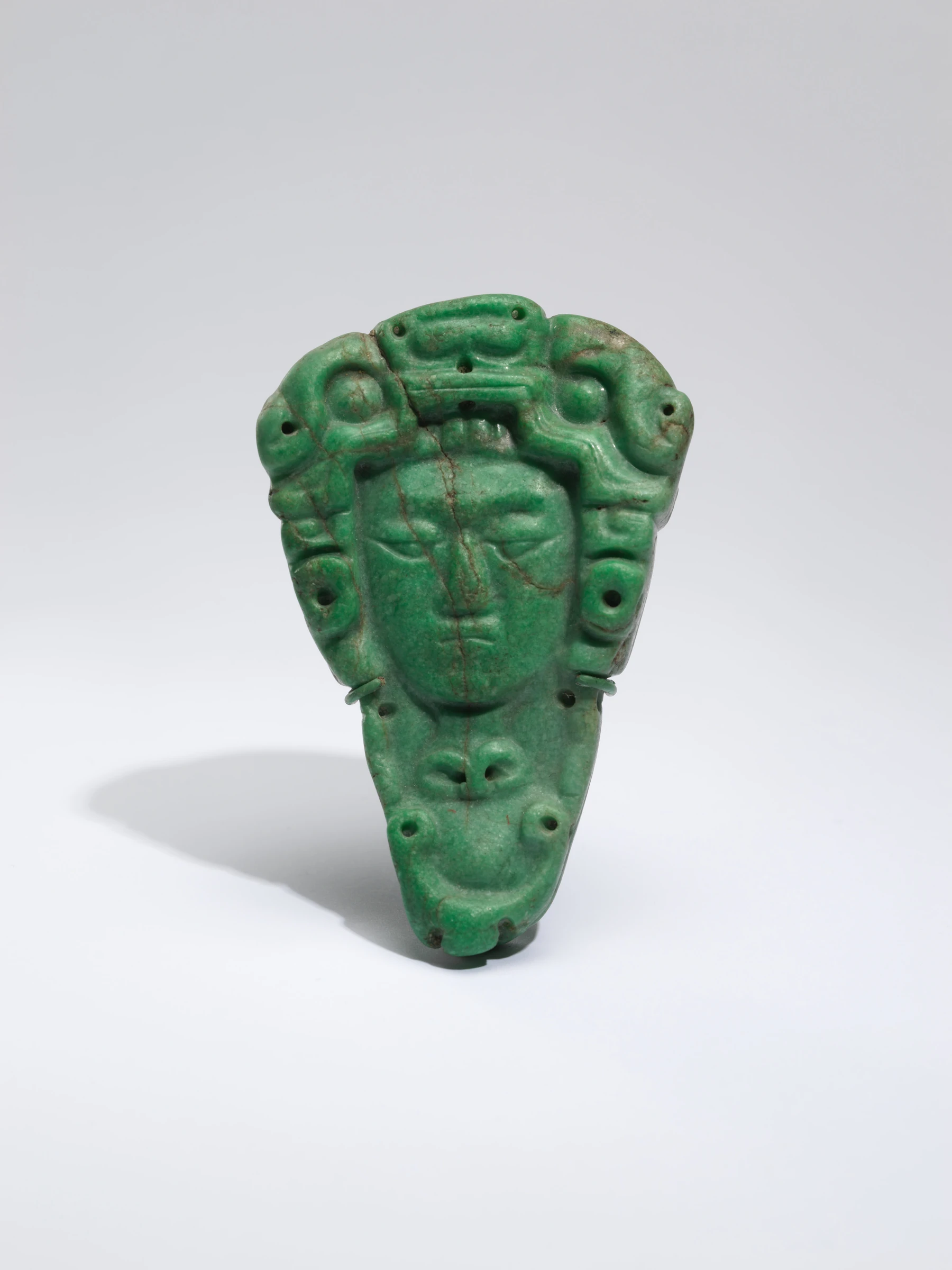
Looking without forcing a verdict
Jadeite often offers brighter greens, lavender and stronger color contrast; nephrite commonly presents cream, white and quieter greens. These are tendencies, not a home identification test. Polish, thickness, lighting and associated minerals can blur visual expectations.
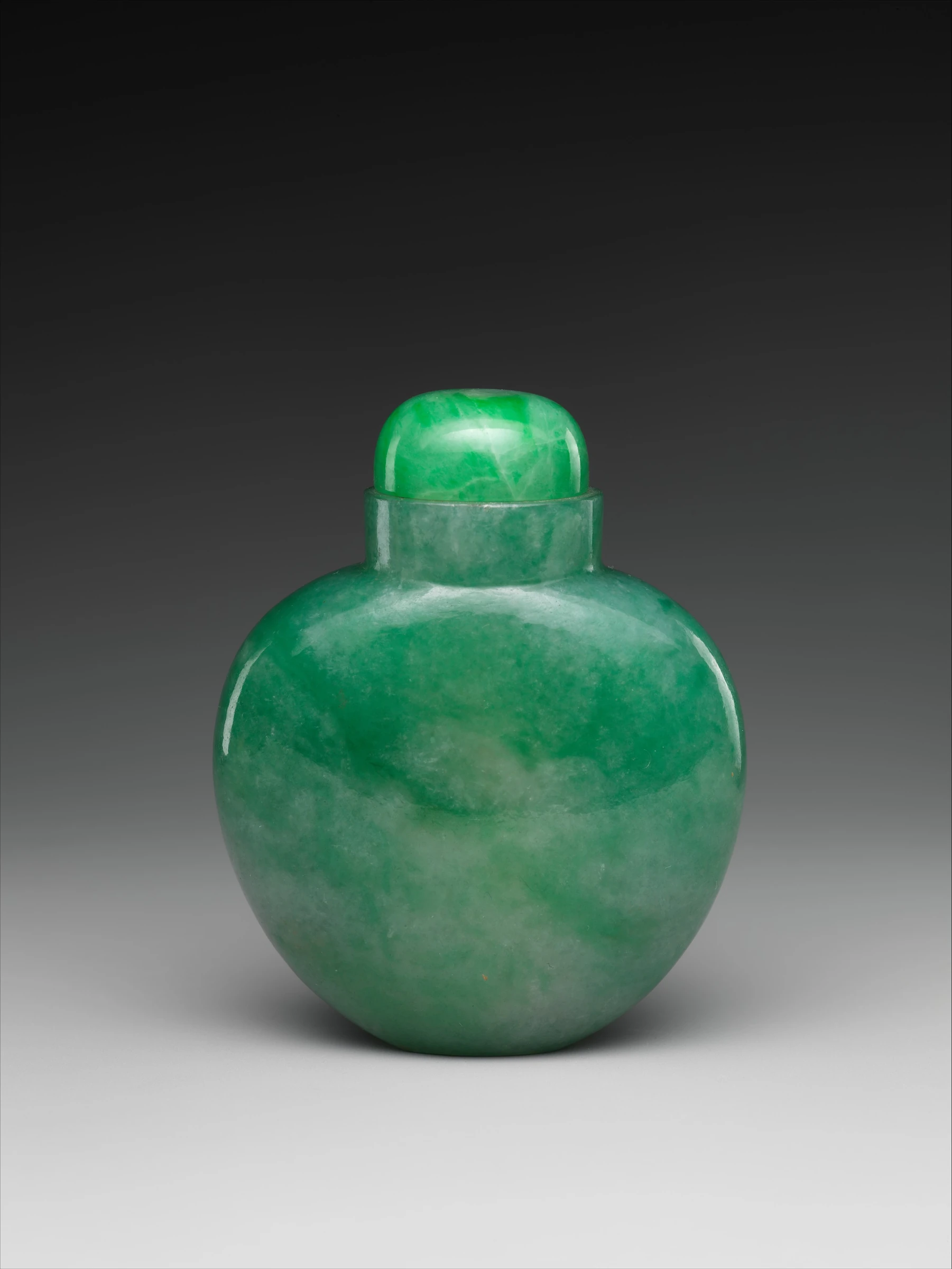
History needs careful wording
Smithsonian scholarship notes that true jades from ancient Chinese archaeological sites are nephrite. Jadeite entered Chinese material culture much later. That distinction keeps modern admiration from being projected backward onto objects made from a different jade.
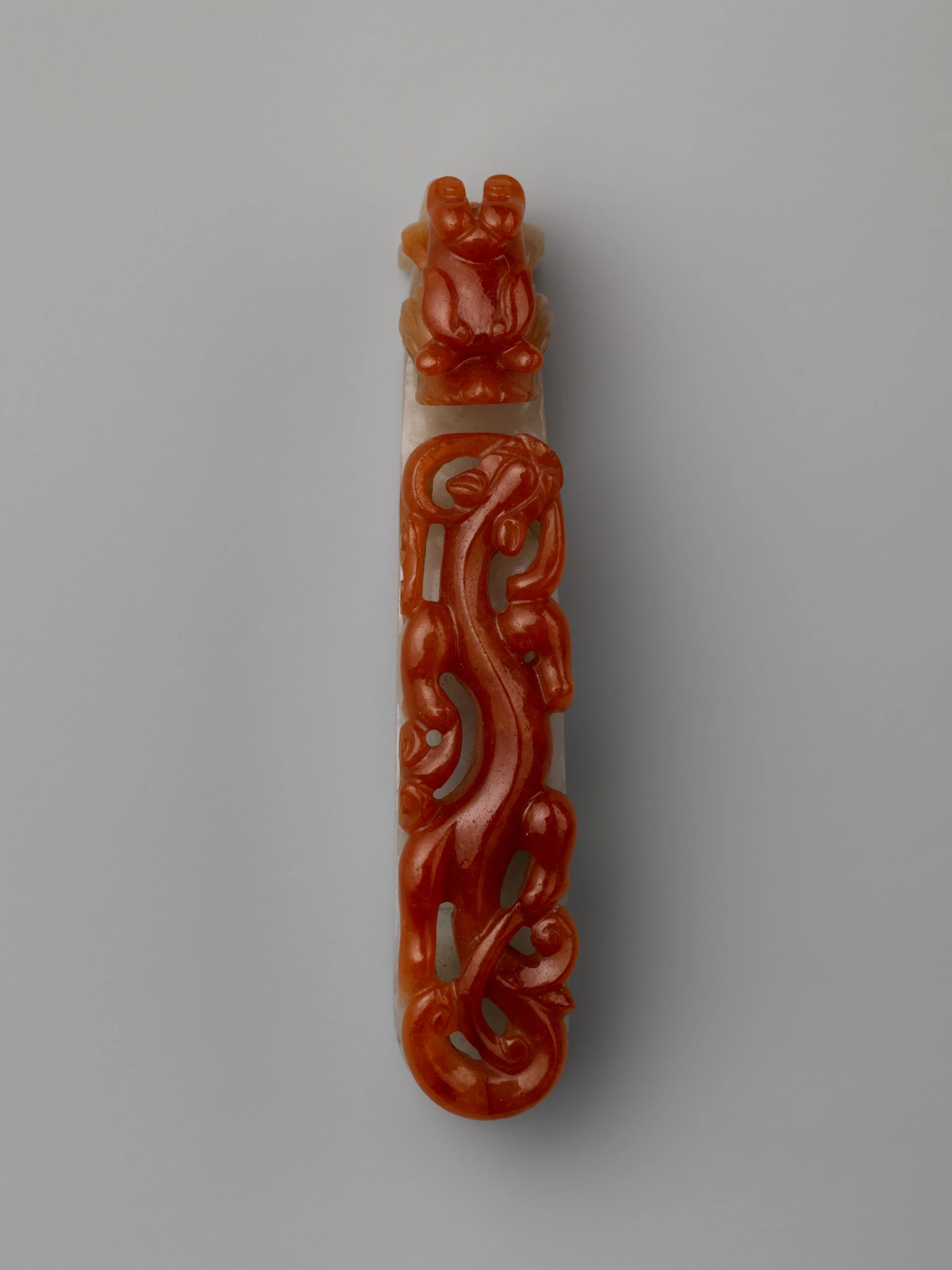
A useful comparison begins with structure
Jadeite is a pyroxene aggregate; nephrite is an amphibole aggregate. Their overlapping reputation for toughness explains the shared name “jade,” while mineral testing keeps the two distinct. Color alone is unreliable because both materials occur beyond their best-known greens and whites.
The shared word “jade” hides two materials
Jadeite belongs to the pyroxene mineral group. Nephrite is a fine aggregate in the tremolite–actinolite amphibole series. Their mineral chemistry and aggregate structures differ, although both have been worked as jade and valued for unusual resistance to breakage.
This distinction is material, not a verdict about artistic importance. Historic nephrite and jadeite objects can each show demanding workmanship. Start with identity, then assess color, texture, form, finish and condition on their own terms.
Hardness is not toughness
Hardness concerns resistance to scratching; toughness concerns resistance to breaking or chipping. GIA gives jadeite a Mohs hardness of about 6.5–7 and nephrite about 6–6.5, while emphasizing the exceptional toughness associated with their interlocking structures. A harder material is not automatically safer from impact.
Neither property licenses careless wear. Existing fractures, thin carving, drill holes and setting design can create local vulnerability. Care guidance belongs in the jadeite care guide.
Color tendencies overlap
Jadeite is celebrated for saturated green and also occurs in lavender, red, orange, yellow, brown, gray, black and near-colorless material. Nephrite is often associated with white, cream and quieter greens, but color alone cannot separate the two. Both materials vary, and associated minerals or surface alteration complicate appearance.
Ask for a gemological identification when the species matters. A screen image, cool touch, sound test or familiar color name is not enough. For disciplined color description, see how to read jadeite color.
History needs the right material name
Nephrite has a long record in Chinese archaeology. Jadeite became prominent in Chinese carving and adornment much later, especially during the Qing period. Calling every early Chinese jade “jadeite” erases a material distinction that museums and archaeologists take seriously.
Object records should be followed exactly: “jade,” “nephrite,” “jadeite,” or a qualified attribution are not interchangeable. The cultural context is developed in jadeite in Chinese culture.
A useful side-by-side check
| Question | Jadeite | Nephrite |
|---|---|---|
| Mineral family | Pyroxene | Amphibole, tremolite–actinolite series |
| Aggregate character | Interlocking granular texture | Fine interlocking fibrous texture |
| Mohs hardness | About 6.5–7 | About 6–6.5 |
| Visual identification | Tendencies overlap; testing may be required | |
Research basis
- Jade Description — GIA
- Jadeite Quality Factors — GIA
- The Met Open Access — The Metropolitan Museum of Art