Care starts by identifying uncertainty
Jadeite is tough, but a piece of jewelry may also contain fractures, dye, polymer impregnation, wax, adhesives or a metal setting. Care must account for the whole object. Before cleaning, note report wording, visible condition and construction. If any is uncertain, use the least aggressive method.
GIA states that ultrasonic and steam cleaners are safe for untreated jade, then adds the decisive caution: jade may be dyed, bleached and impregnated, coated or heat treated, so warm soapy water is always a safe choice. That treatment-aware recommendation is more useful than assuming an object is untreated because it looks sound.
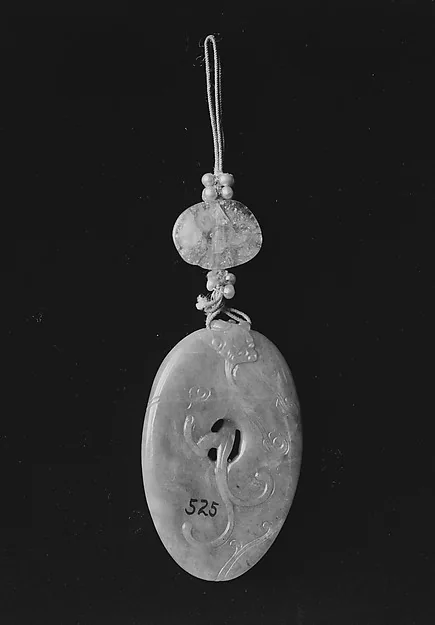
A conservative cleaning routine
Inspect first. Work over a padded bowl, prepare warm water with a small amount of mild soap, and use a soft-bristle brush. Support the piece rather than gripping a delicate loop. Clean crevices lightly, rinse away soap and dry with a soft, lint-free cloth. Allow hidden recesses and cord openings to dry fully.
Do not scrub until every natural recess looks uniform. Cavities, carving and texture can be part of the object; aggressive brushing can catch a loose prong or cord. The focused bangle care guide adapts the method to a continuous ring.
What to avoid when treatment is unknown
Do not use bleach, acids, strong solvents, abrasive powders, toothpaste or metal polish on jadeite. Avoid steam and ultrasonic cleaners unless identity, treatment and setting condition have been appropriately established. Heat can affect some treated material, and solvents can damage polymers, coatings or adhesives.
Home “tests” involving flame, hot needles or chemicals are destructive and do not provide responsible identification. A piece that needs material or treatment confirmation belongs with a gemological laboratory, not a kitchen experiment. See natural versus treated jadeite.
Daily wear: manage contact
Remove jadeite jewelry before impact-heavy work, strong household cleaning, sports or situations where a ring or bangle may be trapped. Put jewelry on after cosmetics and fragrances have dried, reducing residue around settings and cords. This is practical housekeeping, not a claim that ordinary skin contact harms jadeite.
Mounted pieces need checks at the metal contact. Look for lifted prongs, dented bezels, loosened bails and residue that conceals a gap. Do not push the stone to test security. The structure guide to jadeite settings explains why maintenance belongs to metal and stone together.
Storage: separate, support, document
Use a clean soft pouch or padded compartment for each object. Keep it from harder stones, exposed metal edges and loose movement inside a travel case. Strands should rest without sharp bends; pendants should not hang where their bails carry continuous load.
A dated condition photograph under similar diffuse light can reveal change. Record an existing chip or surface line rather than relying on memory. The photograph documents condition only; it cannot authenticate jadeite or establish treatment.
Cleaning, polishing and restoration are different
Cleaning removes surface residue. Polishing removes material to change the surface. Restoration may add or replace material, repair a setting or address a previous intervention. These should never be presented as one routine service.
If a clean, dry surface remains dull, first determine whether the cause is fine scratching, pitting, coating, residue in recesses or the material’s natural texture. Do not add oil or wax to create temporary gloss. Repolishing can soften carving and alter cabochon or bangle proportions; read jadeite polishing before considering intervention.
When professional assessment is appropriate
Stop and seek direct help after a significant impact, visible movement in a setting, a new chip, a surface-reaching line that appears to have changed, or uncertainty about adhesive and treatment. Tell the professional what happened and what cleaning has already been attempted.
GIA’s durability guidance recommends identifying a gem before procedures beyond conservative cleaning and removing stones before repair whenever possible. The individual bench jeweler’s skill and the object’s condition remain decisive.
A simple care record
Keep the laboratory report, purchase description and repair notes separate from the object, then photograph the piece under repeatable light. Record settings, cords, existing chips and surface-reaching lines. After cleaning, note the method and any change. This creates a modest maintenance history without inventing provenance.
For heirloom or museum-type objects, restraint matters more than cosmetic uniformity. Old residue, wax or repair may be historically relevant or difficult to distinguish from later intervention. Cleaning beyond loose surface soil should be referred to a conservator or appropriately experienced professional rather than treated as ordinary jewelry maintenance.
Research basis
- Jade Care and Cleaning Guide — GIA
- Gemstone Durability: Design to Display — Gems & Gemology, GIA
- Jade Description — GIA