Begin with identity
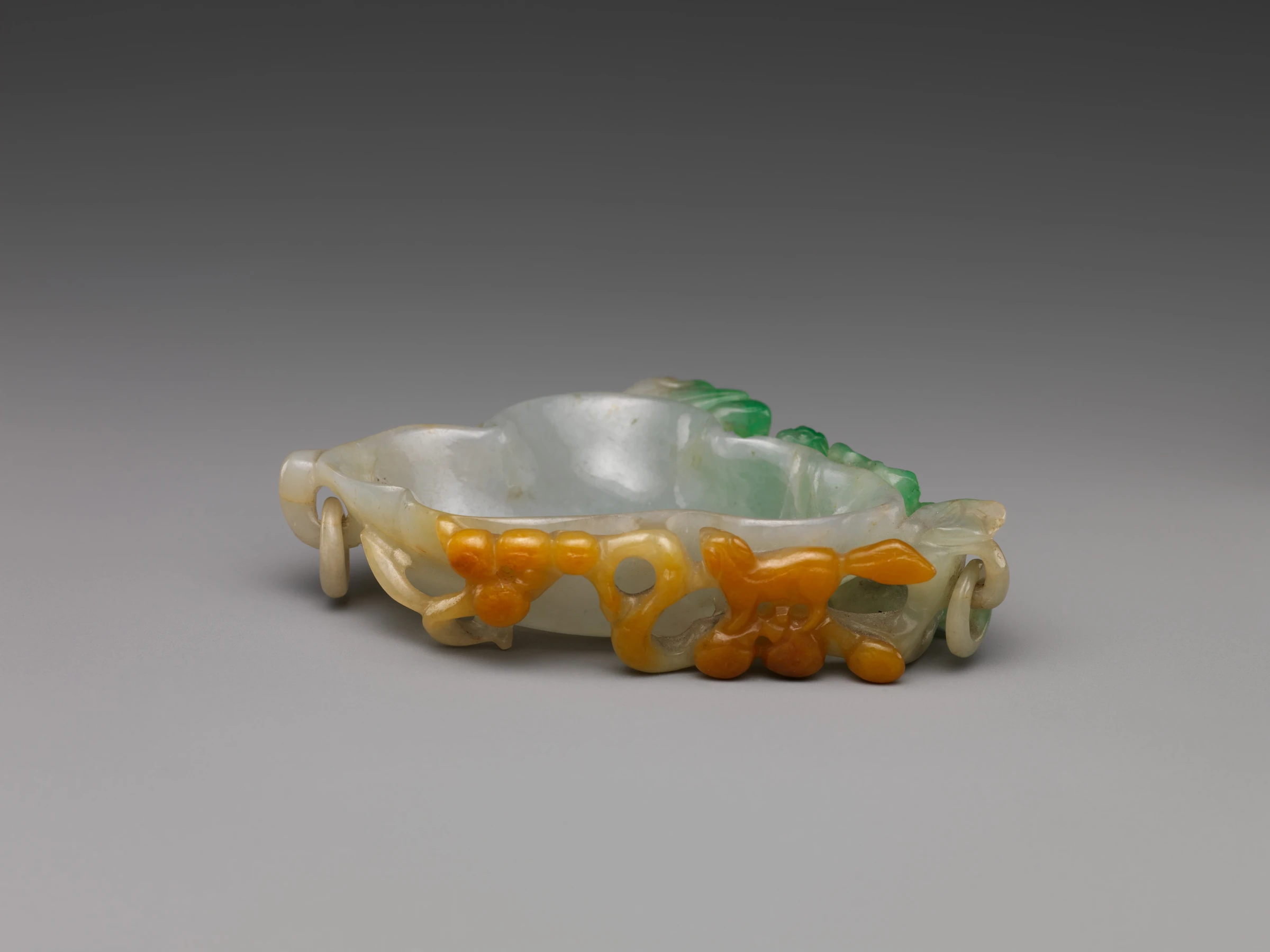
Find the material identification first. “Jade,” “jadeite jade” and local terms are not always interchangeable. Then check object type, dimensions, weight where stated, color description and identifying photograph.
Treatment language matters
Look for explicit statements about impregnation, dye, coating, wax or other enhancement. “No indications” is not the same wording as an absolute claim that nothing has ever happened to a stone. Read footnotes and scope limitations.
Verify the document
Use the laboratory’s own report-check service where available. Match the report number and object details. A laboratory report records findings at the time of examination; it is not a valuation, ownership history or promise of future condition.
Match paper to object
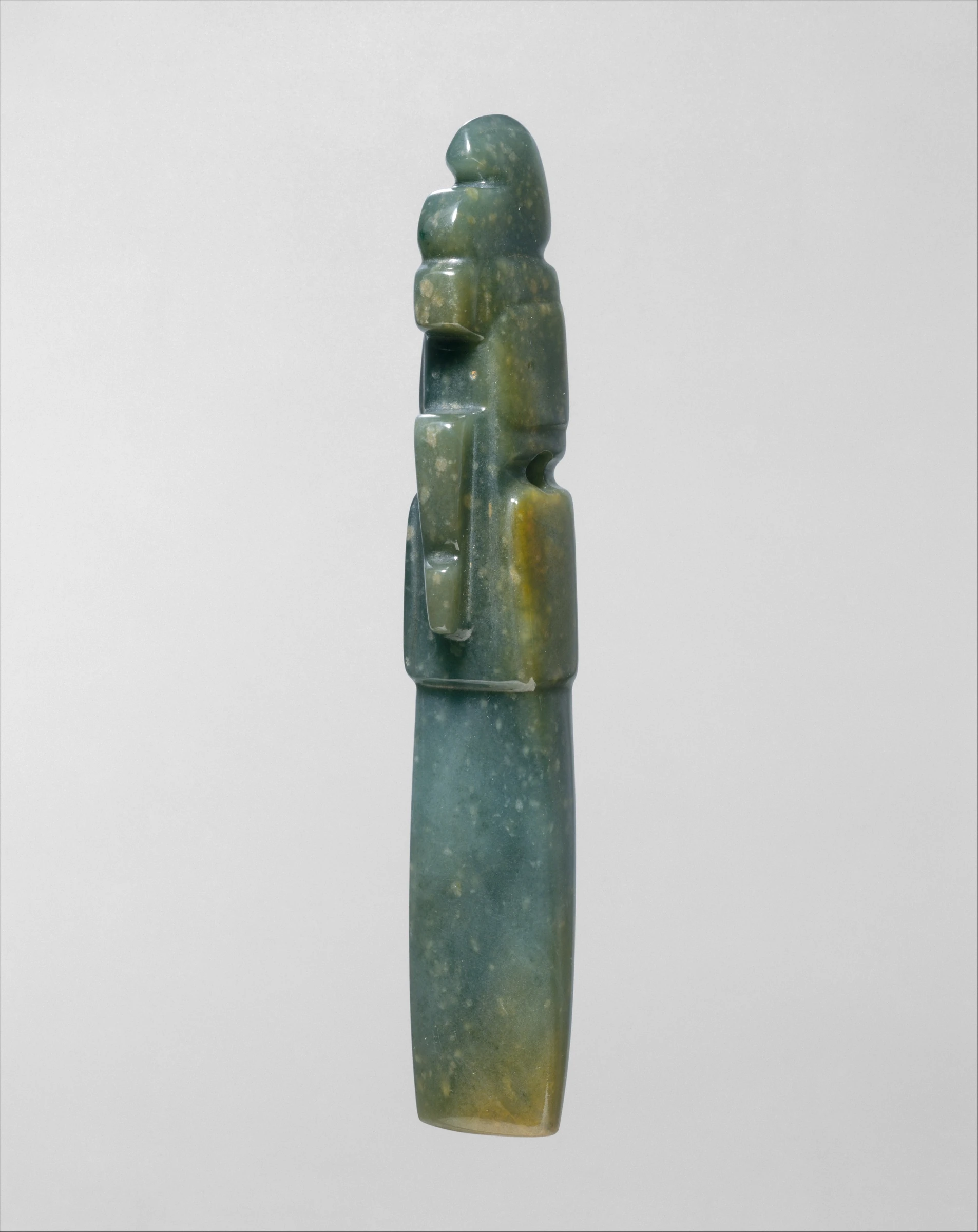
Compare dimensions, weight where listed, color description, identifying photograph and object type. Then use the issuing laboratory’s own verification service. A genuine report that belongs to another object does not verify the piece in hand.
First establish what document you have
A laboratory report is an opinion about the submitted item based on the laboratory’s observations and methods at the time of examination. It is not an appraisal, title document or guarantee of future condition. Confirm the issuer through its own verification channel rather than a seller-provided lookalike page.
Match report number, date, object type, dimensions and weight where stated. A genuine report that belongs to another object does not support the item in hand.
Read identification before commercial shorthand
Look for the material identification—jadeite, nephrite, jade or another stated material—and note qualifiers. Then read treatment comments exactly. Do not replace the laboratory’s sentence with an A/B/C label unless the report itself defines or supports that equivalence.
The regional shorthand is explained in Type A, B and C jadeite. Identity and treatment are separate fields.
What the main fields do
| Field | Use | Limit |
|---|---|---|
| Description | Links report to object type | Not proof without matching dimensions |
| Identification | Names material | Does not grade beauty |
| Treatment comments | States detected or tested treatment | Read exact scope |
| Measurements | Supports object matching | Small tolerance may occur |
What is usually outside scope
Many identification reports do not provide a market value, cutting-yield prediction, workmanship grade or permanence guarantee. Origin is a separate determination and should not be assumed from species. If a service offers origin or quality analysis, read its named scope and terminology.
Compare the object itself with the practical evaluation guide. A report and a visual assessment answer different questions.
Verification checklist
Use the laboratory’s official domain or contact channel; confirm that the number resolves to matching data; inspect security features without treating them as the only proof; and contact the issuer if data conflict. Keep the original document and a dated image record.
A report does not make remote photographs conclusive. It adds traceable evidence for the specific item examined.
Research basis
- Identification of Bleached and Polymer-Impregnated Jadeite — GIA Gems & Gemology
- Dyed polymer-impregnated jadeite jade — The Journal of Gemmology / Gem-A
- Jade Description — GIA